

As we breathe, air moves in and out of the lungs through branching airways.
People with asthma have sensitive airways in their lungs. When exposed to certain triggers their airways narrow, making it hard for them to breathe.
Three main factors cause the airways to become narrow:
The inside lining of the airways becomes red and swollen (inflammation)
The muscle around the airway tightens (bronchonstriction)
Extra mucus may be produced
Why do people get asthma in the first place?
The causes of asthma are not fully understood, but there is often a family history of asthma, eczema or hay fever. Asthma is more prevalent in developing countries. Some researchers believe our “clean” lifestyle contributes to the development of asthma. Asthma can begin at any age and can change over time.
How do you recognise asthma?
Wheezing - a high pitched raspy sound on breathing
A dry, irritating persistent cough, particularly at night, and early morning with exercise or activity
Shortness of breath
Chest tightness
These symptoms vary from person to person, and from time to time within the same person. Some people have all the symptoms, while some may only have a cough or wheeze.
What triggers asthma symptoms?
Colds and flus
Cigarette smoke
Exposure to cigarette smoke (passive smoking)
Exercise/activity
Inhaled allergens (eg pollens, moulds, animal dander and dust mite)
Environmental factors (eg dust, pollution, wood smoke, bush fires)
Changes in temperature and weather
Certain medications (eg aspirin)
Chemicals and strong smells (eg perfumes, cleaners)
Emotional factors (eg laughter, stress)
Some foods and food preservatives, flavourings and colourings
Every person’s asthma is different. Not all people will have the same triggers, nor will they react to all those in the above list. You may not always know what triggers your asthma but it is helpful it identify the cause in order to avoid it. However, this is not always possible (eg colds and flu).
Can asthma be Cured?
Asthma cannot be cured but it can be managed. Most people with asthma can carry out their daily activities without asthma symptoms. Good asthma management allows you to lead an active healthy lifestyle.
Asthma medications
There are three main groups of asthma medications:
Preventers make the airways less sensitive, reduce the redness and swelling inside the airways and dry up the mucus. It may take a few weeks for preventers to reach their optimal effect.
Preventers must be taken daily to keep you well, reduce the risk of asthma attacks and to prevent lung damage. A number of these medications are corticosteroid (more commonly known as “steroids”). They are similar to steroids that we produce naturally in our bodies. They are not the same as the anabolic steroids misused by some athletes.
Important points
Some people may only need preventers for a set period while other people need to take preventers all year round.
Preventers need to be taken at the same time each day at the dosage prescribed by your doctor.
Preventers take time to work, so an improvement in your symptoms may not be noticed for a couple of weeks. Do not stop taking your preventer medication after only a few days.
When you are well (no asthma symptoms and rarely using your blue reliever), talk to your doctor about a review of your medications.
Make sure you ask your doctor if you have any questions or concerns about your asthma medication and/or asthma delivery devices.
Treatment of acute asthma
When there is little response to relievers a short course of oral steroid tablets Prednisolone/Prednisone may be prescribed. These are used to reduce the inflammation in the airways and quickly regain control of asthma in an acute attack or when symptoms persist.
2. Relievers
Inhaled medications - Airomir, Asmol, Bricanyl, Epaq, Ventolin (blue)
Relievers provide relief from asthma symptoms within minutes. They relax the muscles around the airways for up to four hours, allowing air to move easily through the airways.
Important points
Always carry your blue reliever medication. It is the only medication to use in an asthma emergency.
If you are using your reliever medication more than three times per week to ease asthma symptoms it may be a sign that your asthma is not well controlled. Check with your doctor.
Atrovent (green) is a different type of medication that may be prescribed. Ask your doctor for further information. This medication can keep airways open for up to six to eight hours, takes 30 minutes to work and is more commonly used for other lung conditions.
3. Symptom controllers
Inhaled medications - Foradile (pale blue) Oxis, Serevent (green)
Symptom controllers (also called Long Acting Relievers) help to relax the muscles around the airways for up to 12 hours. They are taken daily and are only prescribed for people who are taking regular inhaled “steroid” preventers.
Combination medications
Inhaled medications - Seretide (Flixotide and Serevent - Purple) Symbicort (Pulmicort and Oxis – Red)
These medications combine a preventer with a symptom controller in the same delivery device.
Combination medications need to be taken at the same time each day at the dosage prescribed by your doctor.
Nebulisers
Nebulisers convert liquid medication into a fine mist inhaled through a mask or mouthpiece. The air-flow and pressure of your nebuliser should be checked regularly (at least once a year). Depending on use, disposable nebuliser bowls may need replacing every 3 months. It is advisable to always have a spare bowl. Nebuliser filters should be changed and the machine serviced according to the manufacturer’s instructions.
A puffer and spacer is equally as effective as a nebuliser, if used correctly. Nebulisers need only be used if asthma is severe or if a spacer and puffer is not suitable.
Getting the most out of your asthma medications
The aim of delivery devices is to get the maximum amount of medication into your lungs with minimum side effects. It is important to:
Know how to care for and clean your medication devices
Ensure there is medication left in your device
Ensure that your medication has not expired
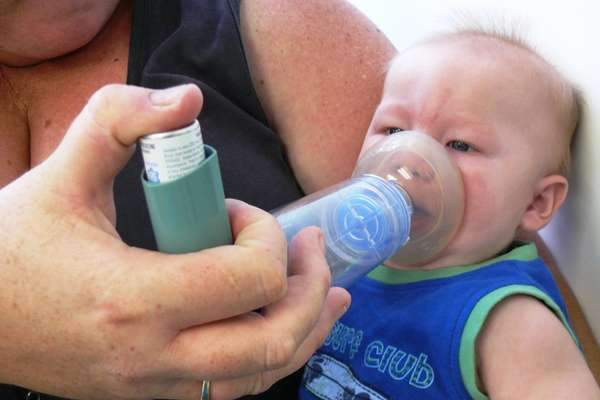
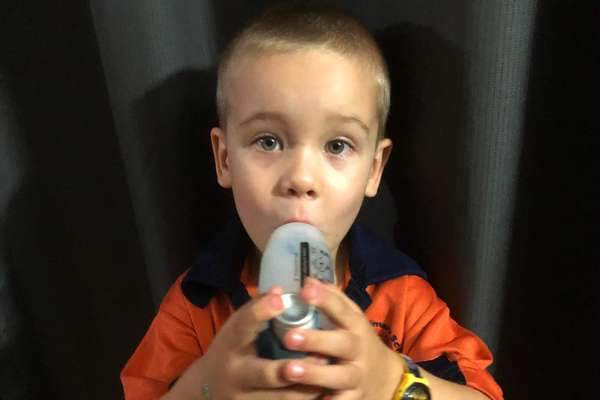
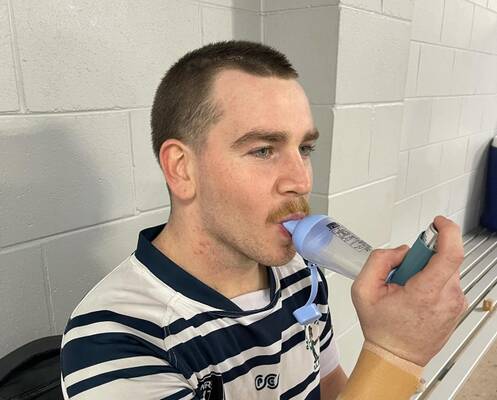
Use a spacer with a puffer to minimize side effects and deliver more medication to your lungs (a spacer is a device shaped like a clear plastic football or tube into which you fire medication from a puffer and inhale)
Use your inhaler correctly. Have your technique regularly checked by your doctor, pharmacist or asthma educator
Managing your asthma effectively
Find a doctor who has a keen interest in asthma and have regular reviews of your asthma
Develop a Cycle of Care plan with your doctor
Ask your doctor for a written Asthma Action Plan
Avoid things that make your asthma worse (triggers)
Know your asthma symptoms and how to treat them
Make sure you use asthma medications correctly
Recognise signs of worsening asthma and follow your written Asthma Action Plan
Know your first aid plan and how to use it
Inform your family members about your asthma and how they can provide asthma first aid
What is an Asthma Action Plan?
An Asthma Action Plan is a written set of instructions prepared in partnership with your doctor that assists you to manage your asthma at different times. Your plan should help you to:
Recognise worsening asthma symptoms
Start treatment quickly
Seek the right medical assistance
Early attention to worsening asthma may prevent you from having a serious attack. Ask your doctor for a written Asthma Action Plan.
Monitoring your asthma
Diary of Asthma Symptoms
This is the preferred method for monitoring asthma in children under seven years. Asthma in children is often seasonal and many children only need treatment during winter. All children who have regular asthma symptoms should have a written Asthma Action Plan.
Peak Flow readings
A Peak Flow meter is a simple device you blow into to measure the condition of your airways. They can be purchased from pharmacies and Asthma Foundation NT.
Peak Flow readings tell you whether your airways are wide open or narrow. Increasing asthma symptoms or a fall in peak flow readings suggest that your asthma is getting worse. A written Asthma Action Plan will help in this situation.
Exercising or being active
Exercise keeps you fit and healthy. Many people with asthma report that regular exercise reduces the severity and frequency of symptoms. If exercise triggers your asthma ask your doctor for advice about management of exercised-induced asthma (EIA). If EIA is managed properly, you should be able to take part in any exercise, sport or activity (except scuba diving).
Avoiding triggers
Apart from exercise try to avoid triggers that make your asthma worse. Some triggers cannot be avoided, such as changes in weather and colds or flu. Ask your doctor for a written Asthma Action Plan to help in these situations.
Remember you should be in control of your asthma.
Recognising an asthma attack
An asthma attack can take anything from a few minutes to a few days to develop. During an asthma attack chest tightness, coughing, wheezing and shortness of breath can quickly worsen. If this happens follow your Asthma First Aid Plan.
Signs of severe asthma
Gasping for breath
Severe chest tightness
Inability to speak more than one or two words per breath
Feeling distressed and anxious
Little or no improvement after using blue reliever medication (Airomir, Asmol, Bricanyl, Epaq or Ventolin)
“Sucking in” of the throat and rib muscles
Blue colouring around the lips (can be hard to see of skin colour changes)
Pale and sweaty
The information in this segment of the Asthma Foundation of Northern Territory web site is taken from the pamphlet "Asthma, The basic facts".